Nissan Rogue Gas Tank Capacity (All Model Years)
Knowing your fuel tank’s capacity can be very helpful, especially when you’re planning your fuel budget for a road trip.
Or you might be looking for this information because you’re wondering why your Nissan Rogue holds only 11 to 12 gallons when you fill it up from empty.
In this guide, I’ll list the fuel capacities for all Nissan Rogue models, and I’ll also explain why your Nissan Rogue takes less fuel when filling up.
Nissan Rogue Fuel Tank Size
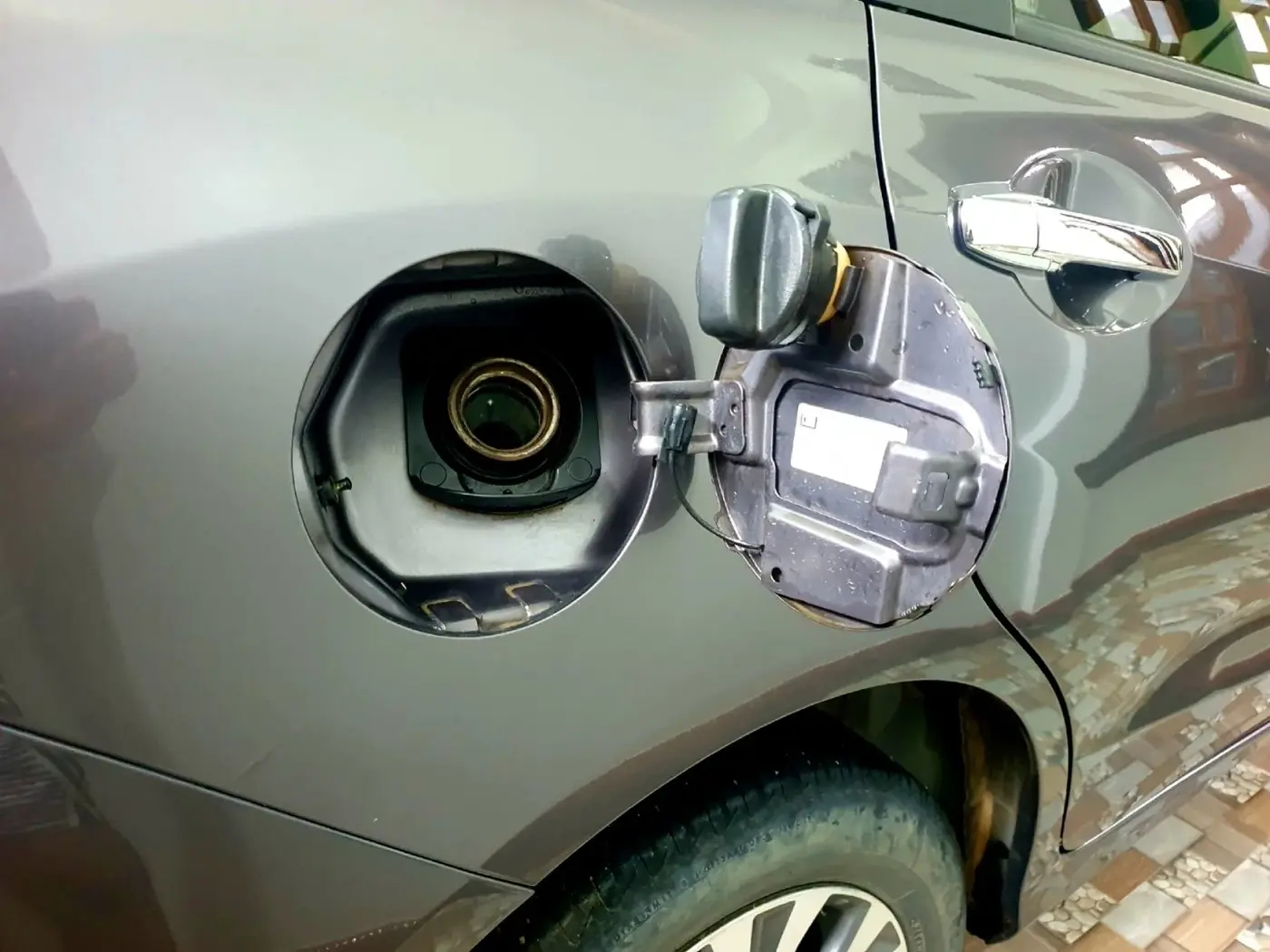
The fuel tank capacity of the Nissan Rogue ranges from 14.5 to 15.9 gallons, depending on the model. Refer to the specifications in the chart below for your specific Nissan Rogue model year.
| Model Year | Gas Tank Size |
|---|---|
| 2026 | 14.5 gal. (55 Liter) |
| 2025 | 14.5 gal. (55 Liter) |
| 2024 | 14.5 gal. (55 Liter) |
| 2023 | 14.5 gal. (55 Liter) |
| 2022 | 14.5 gal. (55 Liter) |
| 2021 | 14.5 gal. (55 Liter) |
| 2020 | 14.5 gal. (55 Liter) |
| 2019 | 14.5 gal. (55 Liter) |
| 2018 | 14.5 gal. (55 Liter) |
| 2017 | 14.5 gal. (55 Liter) |
| 2016 | 14.5 gal. (55 Liter) |
| 2015 | 14.5 gal. (55 Liter) |
| 2014 | 14.5 gal. (55 Liter) |
| 2013 | 15.9 gal. (60 Liter) |
| 2012 | 15.9 gal. (60 Liter) |
| 2011 | 15.9 gal. (60 Liter) |
| 2010 | 15.9 gal. (60 Liter) |
| 2009 | 15.9 gal. (60 Liter) |
| 2008 | 15.9 gal. (60 Liter) |
Looking at the chart above, the Nissan Rogue’s fuel tank capacity can be divided into two groups.
- 2008–2013: 15.9 gallons (60 liters)
- 2014–2026: 14.5 gallons (55 liters)
Why My Rogue Only Fills 12 Gallons
When driving, you probably always keep an eye on the “distance to empty” indicator on the information display. It tells you how far you can drive before you need to refuel.
Sometimes, you might let the indicator drop all the way to zero.
But when you fill up the tank, it only takes 11 or 12 gallons, not quite 14.5 gallons. Odd, isn’t it?
Although the “distance to empty” reading may not seem very accurate, or might even seem misleading, this is actually quite normal. It happens in every car. I’ve driven quite a few cars; besides the Rogue, I’ve driven a Ford Ranger, a CR-V, a Honda Fit, and several Honda minivans, and they’re all the same.
When the Low fuel warning light comes on, it means you’re running low on fuel, or it’s almost empty. Even when the “distance to empty” indicator shows zero, there’s still about 1/8 of a tank left, so there’s still roughly 2 gallons of gas. This gives you time to find a gas station to refuel.
This means you could wait longer to refuel, but you shouldn’t do that. Refuel immediately when the fuel gauge light comes on, or better yet, refuel as soon as the fuel gauge approaches “E” (empty).
Driving your vehicle with nearly empty fuel can lead to some silly situations, for example:
- You might get stranded on the highway, which is dangerous.
- When the gas runs out, the fuel pump will forcefully suck up the remaining fuel, which is sometimes mixed with sediment; this can clog the filter.
- The fuel pump is designed to be submerged; it can be damaged if it remains dry for too long.
Well, when you’re on the road, it’s better to prevent problems before they happen. Simply by filling up your gas tank early, you can save yourself and your family from getting stranded in the middle of nowhere.
Frequently Asked Questions
Conclusion
Knowing your gas tank’s capacity can help you stay prepared. It’ll make it easier to manage your budget and track your fuel consumption.
Don’t wait until it’s empty—fill up as soon as the gauge nears “low.” You don’t want to break down on the road because you ran out of gas.
Well, if you have any further questions, feel free to leave them in the comments section. I’d love to hear from you!